What to Expect During a Flat or Single-Ply Roof Installation
People seeking what to expect during a flat or single-ply roof installation can rely on local contractors to handle the process efficiently and ensure a durable, professional result.
Understanding what to expect during a flat or single-ply roof installation can help property owners feel more prepared for the process. These types of roofing projects typically involve a series of steps, including surface preparation, membrane application, and finishing touches, all carried out by experienced local contractors. Knowing the general flow of the installation can provide peace of mind and help property owners coordinate other aspects of their building maintenance or renovation plans.
For those considering a single-ply roofing system, it’s important to work with service providers who have a solid understanding of the specific materials and techniques involved. Local pros can guide property owners through each phase of the installation, ensuring the work is completed efficiently and correctly. Keep reading to learn more about the practical aspects of flat or single-ply roof installations and how local contractors can support a smooth, successful project.
- Single-Ply Roof Installation - homeowners considering this option can expect local contractors to prepare the roof surface thoroughly before installing the membrane.
- Single-Ply Roof Installation - property owners needing a durable, waterproof roofing solution often rely on local service providers to handle the precise application process.
- Single-Ply Roof Installation - those upgrading or replacing an existing flat roof may find local pros assess the current structure to ensure proper adhesion and performance.
- Single-Ply Roof Installation - clients seeking a low-maintenance roofing system can anticipate professionals to complete the installation with attention to seam sealing and membrane integrity.
- Single-Ply Roof Installation - individuals planning for long-term protection might work with local contractors to ensure proper insulation and ventilation are integrated during installation.
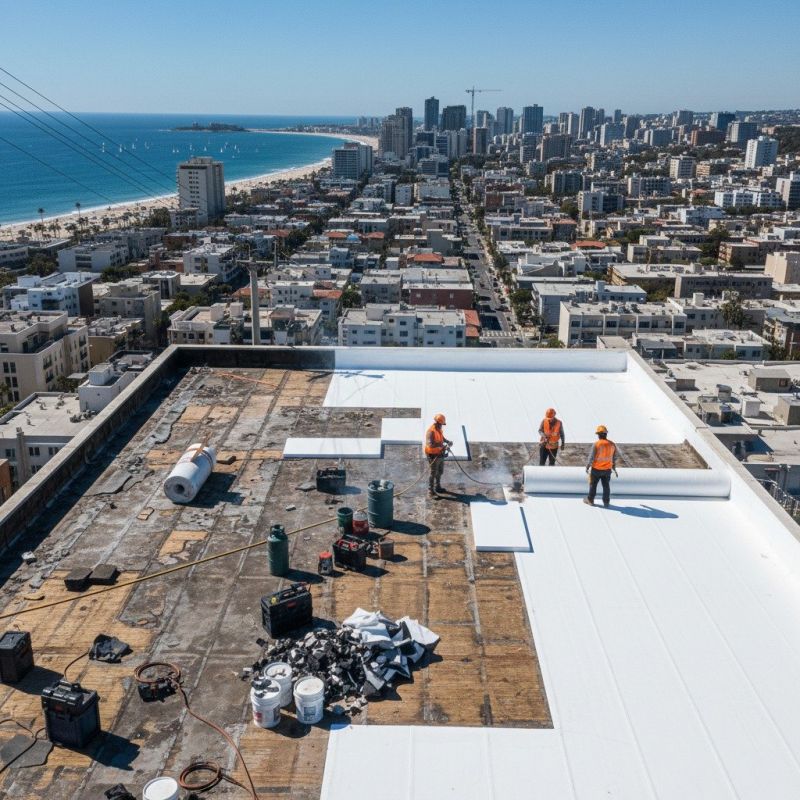
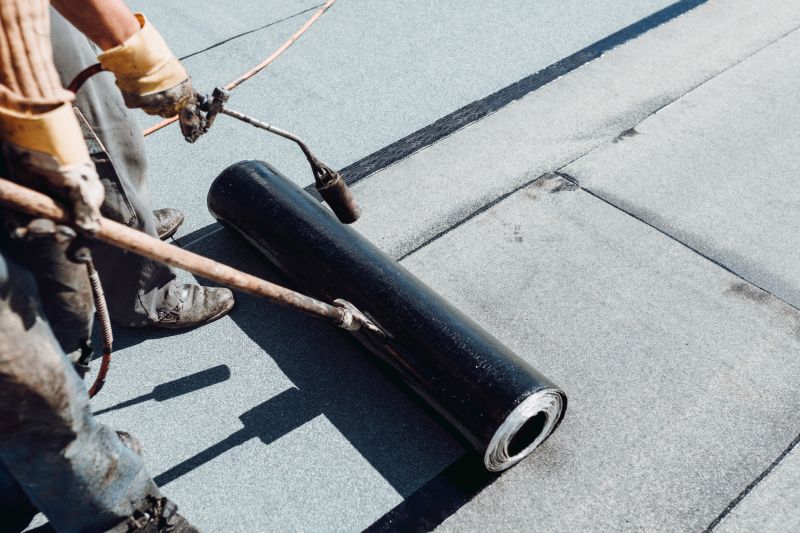
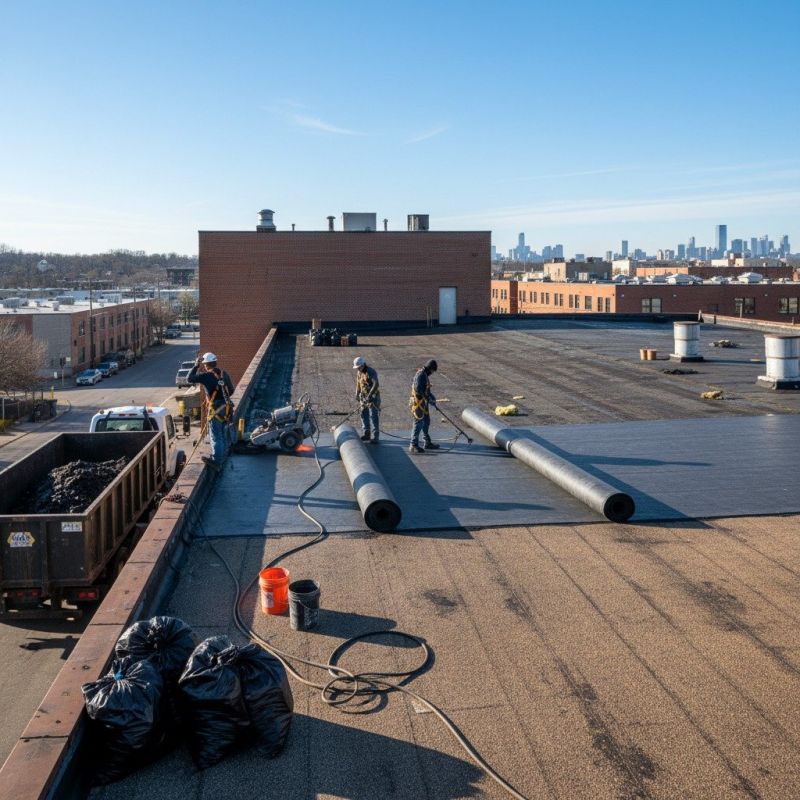
Understanding what to expect during a flat or single-ply roof installation helps homeowners prepare for this type of project. These roofing systems are often chosen for commercial buildings, warehouses, and some modern residential properties with flat or low-slope roofs. When searching for information on this topic, people typically want to know about the installation process, the materials involved, and how the work might impact their property. They may also be considering whether this roofing option is suitable for their building’s design and how long the installation will take. Clear expectations about the process can help homeowners feel more confident in planning around the project and understanding the role local contractors will play in delivering a durable, reliable roof.
Flat and single-ply roofs are generally associated with properties that have expansive, low-angle roof surfaces. These systems are popular in commercial settings because they provide a functional, cost-effective solution for large, flat areas. However, they are also used on residential buildings with modern architectural styles that incorporate flat or gently sloping roofs. The installation process involves preparing the existing roof deck, installing insulation if needed, and then applying the membrane material in a seamless, continuous layer. Homeowners should be aware that this process requires precise handling of materials and careful attention to detail to ensure a watertight, long-lasting result. Local service providers are experienced in managing these specifics and can help ensure the project proceeds smoothly.
During a flat or single-ply roof installation, homeowners can expect a series of distinct steps. First, the existing roof surface is inspected and prepared, which might include removing old roofing materials or repairing the deck. Next, a layer of insulation is often installed to improve energy efficiency and provide a stable base for the membrane. The main phase involves laying out and securing the single-ply membrane-materials like TPO, PVC, or EPDM-using adhesives, mechanical fasteners, or heat welding, depending on the type chosen. The process typically involves multiple layers and detailed sealing to prevent leaks. Local contractors bring expertise to each phase, ensuring the materials are installed correctly and that the finished roof meets the necessary standards for durability and weather resistance.
Once the installation is complete, homeowners should expect a period of inspection and final adjustments. This phase ensures all seams are properly sealed, flashing is correctly installed around vents and edges, and the roof is thoroughly checked for potential issues. Proper installation means that the roof will be able to withstand the elements and provide reliable protection for many years. Homeowners may also receive guidance on maintenance and inspections to prolong the lifespan of their new roof. Local service providers are well-versed in these finishing touches and can help address any questions about the ongoing care of the flat or single-ply roofing system. Understanding what to expect during and after installation helps homeowners feel confident in the durability and performance of their new roof.
Membrane Roofing Projects - these projects involve installing waterproof membranes similar to single-ply roofing materials, requiring precise planning and the use of specialized tools.
Commercial Roofing Installations - large-scale flat roof installations for commercial buildings share techniques and materials with single-ply roof setups, often handled by experienced local contractors.
Roof Deck Replacement - replacing or repairing roof decks involves similar planning and preparation steps as flat roof installations, ensuring proper support for new roofing systems.
Roof Insulation Installations - adding or upgrading insulation under flat roofing systems requires careful material handling and knowledge of roofing structures, akin to single-ply roof setups.
Waterproofing Projects - applying waterproof coatings or membranes on various roof types involves similar surface preparation and sealing techniques used during flat roof installation.
Roof Repair and Patching - repairing leaks or damage on flat roofs involves understanding roofing materials and tools comparable to those used in new single-ply roof installations.
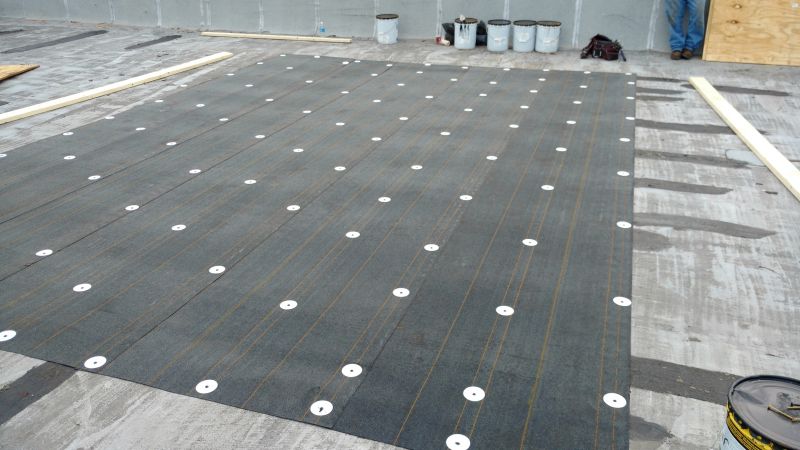
When comparing service providers for a single-ply roof installation, it is important to evaluate their experience with similar projects. Homeowners should inquire about how many flat or single-ply roofing jobs they have completed and whether they have worked on roofs of comparable size and complexity. Contractors with a proven track record in this specific type of roofing are more likely to understand the nuances of installation processes, material handling, and potential challenges. Gathering reputable references or reviews can provide insight into the quality of past work and help ensure that the selected service providers have a history of successful installations.
Clear communication about what to expect during a flat or single-ply roof installation is another key factor when comparing local contractors. Homeowners should seek service providers who can articulate the installation process, including preparation, material application, and finishing steps. Transparent explanations help set realistic expectations and reduce surprises during the project. Good communication also involves responsiveness to questions and concerns, ensuring that homeowners feel informed and comfortable throughout the process.
Reputable references and positive feedback are valuable indicators of a contractor’s reliability and professionalism. When evaluating local service providers, homeowners should ask for examples of completed projects and, if possible, speak with previous clients about their experiences. Consistent, clear communication and a history of satisfied customers can demonstrate a contractor’s commitment to quality work and customer service. By focusing on these factors-experience, clear expectations, references, and communication-homeowners can make more informed decisions when selecting a contractor for their flat or single-ply roof installation.
Property owners often search for what to expect during a flat or single-ply roof installation when they are planning practical projects around their homes and businesses. Local pros provide Single-Ply Roof Installation services for everyday jobs and straightforward project options.
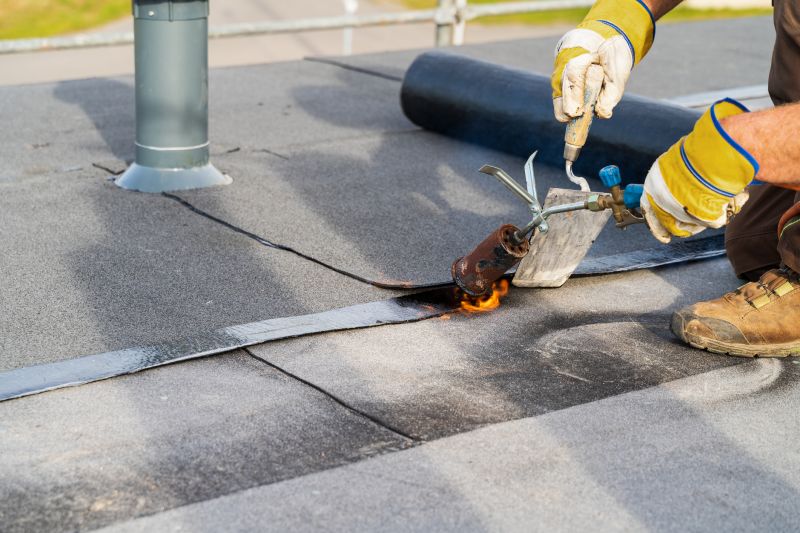

During a flat or single-ply roof installation, property owners can generally expect a process that involves several key steps. Initially, the existing roofing material may be removed or prepared to ensure a clean, stable surface. Local contractors often set up safety measures and protective coverings to safeguard the property and work area. The installation itself typically involves laying down a specialized membrane, which is carefully rolled out and secured to create a durable, weather-resistant surface. Throughout this process, property owners might notice some noise, minor disruptions, and the presence of equipment, but these are standard parts of the project.
Understanding what to expect during a flat or single-ply roof installation can help property owners plan accordingly. Once the membrane is in place, it will be sealed and inspected to ensure proper adhesion and coverage. Local service providers can handle these details efficiently, helping to minimize inconvenience. After installation, there may be some minor finishing touches, such as trimming or sealing edges, before the area is cleaned up. Overall, the process is designed to result in a reliable, long-lasting roof that offers protection and performance, with experienced local contractors managing each stage to meet the property’s needs.
What is the typical process during a flat or single-ply roof installation? Local contractors usually start with a thorough inspection, followed by surface preparation, installation of the membrane, and finishing touches to ensure a proper seal and durability.
How do installers handle the existing roof during the installation? Service providers often remove or prepare the existing roofing materials, then install the new membrane directly over the prepared surface or existing layers, depending on the specific situation.
What materials are used during a single-ply roof installation? Common materials include thermoplastic membranes like TPO or PVC, or thermoset membranes like EPDM, which local pros select based on the roof's requirements and compatibility.
What steps are taken to ensure proper sealing and waterproofing? Local contractors apply adhesive or mechanical fasteners, along with specialized seam tapes, to create a continuous, watertight barrier across the entire roof surface.
What should homeowners expect in terms of worksite conditions during installation? The work area may be temporarily restricted, with possible noise and material storage nearby, but contractors aim to keep disruptions minimal while completing the installation properly.
Preparation steps - Property owners should ensure the work area is clear and accessible to help local contractors work efficiently during a flat or single-ply roof installation.
Material considerations - Understanding the types of single-ply membranes available can help property owners make informed decisions with the guidance of local service providers.
Installation process overview - Being aware of the typical stages of installation allows property owners to prepare for the presence of equipment and materials on the roof.
Post-installation expectations - Property owners can plan for a final inspection and discuss maintenance needs with local contractors after the roof installation is complete.
If you are thinking about what to expect during a flat or single-ply roof installation for a property, this guide is meant to help you understand this topic, the typical project types, and how different options might fit your plans.
When you are ready, you can use the quote form on this page to share a few details about your project. From there, local pros can review the basics and follow up with options that match what you have in mind.